
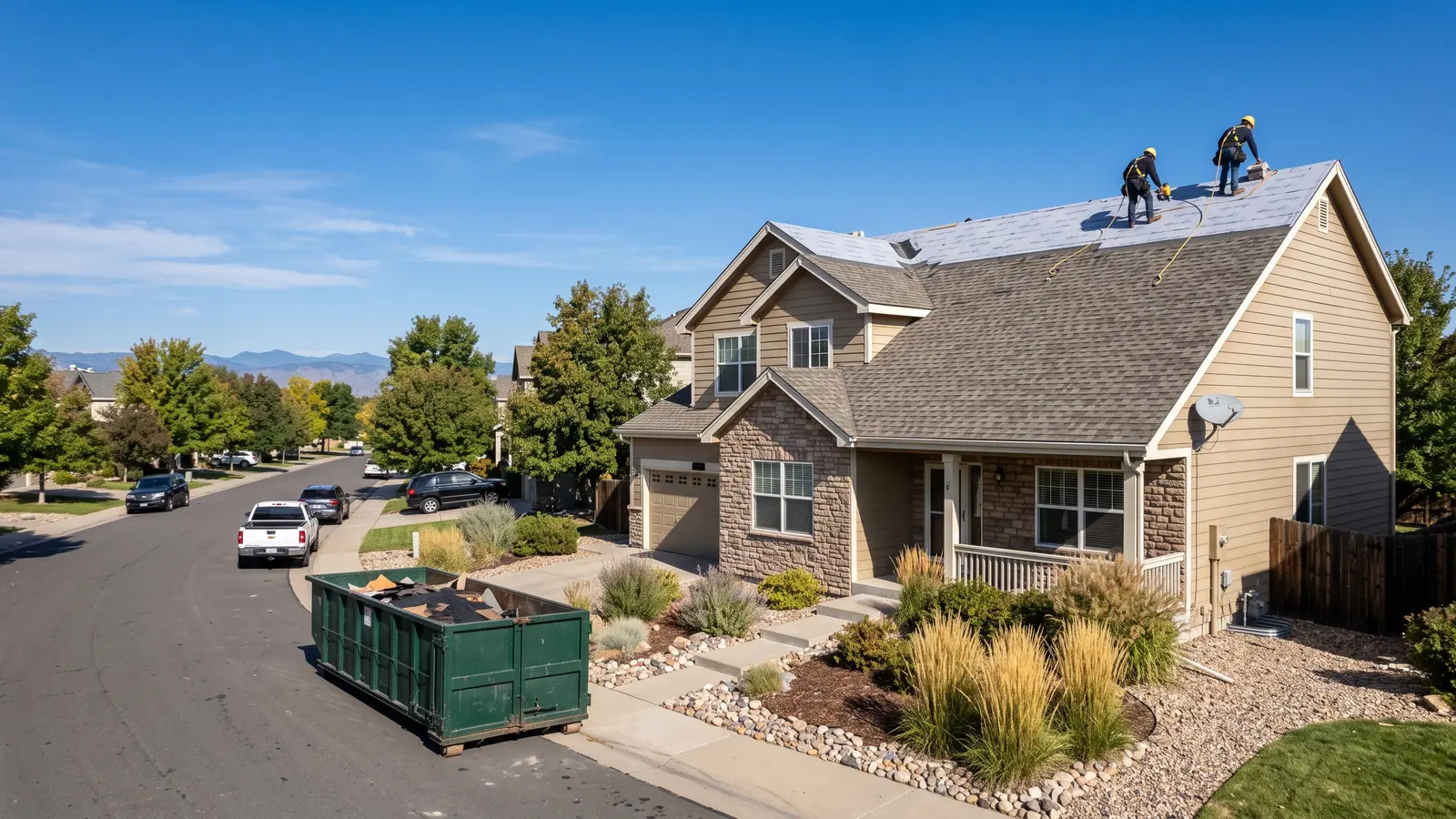
Attic Ventilation Components on a Vented Roof
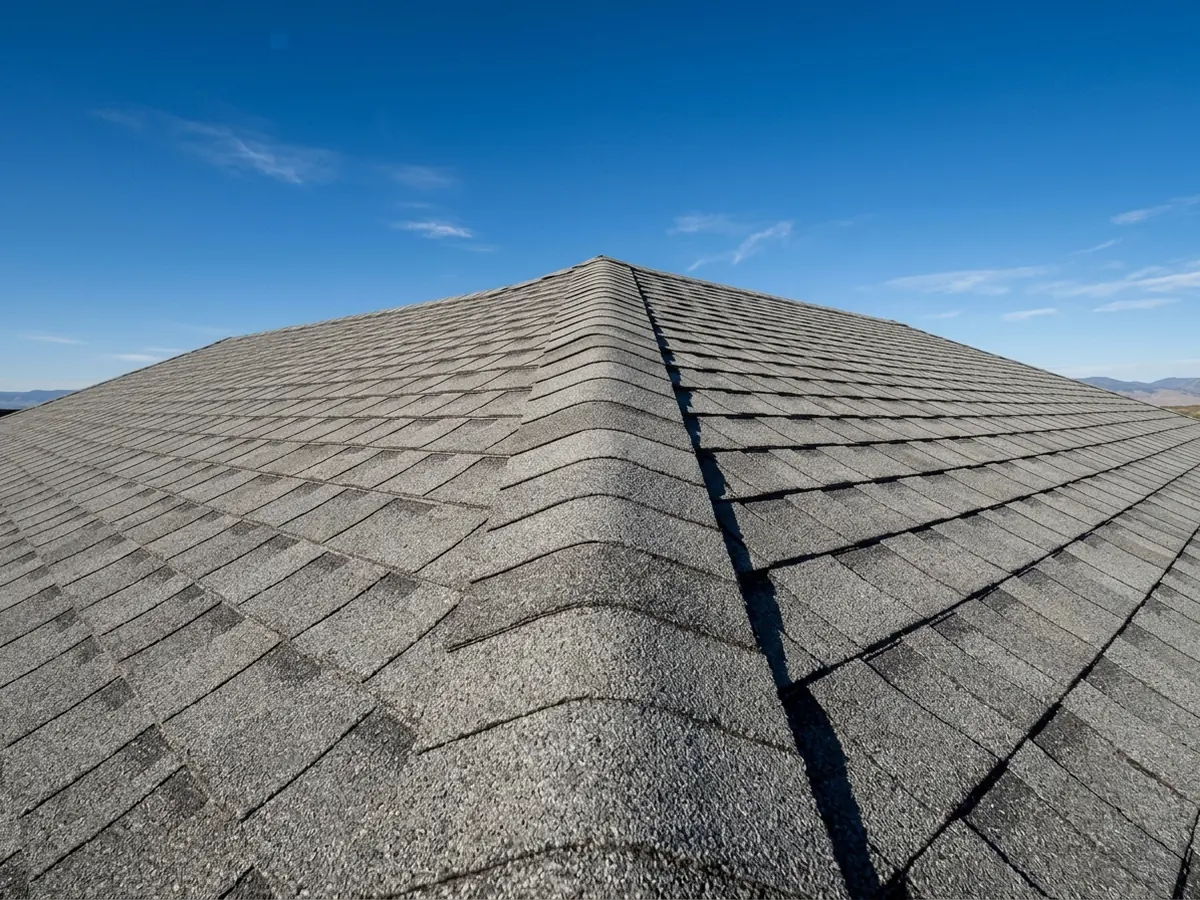
Shingle-Over Ridge Vents
A ridge vent is a slot cut along the peak and covered by a low vent that runs the full length of the ridge, then capped with ridge shingles so it barely shows from the street. HomeGuide prices it at $7 to $15 a linear foot, or $350 to $600 for a typical house. Foot for foot it moves a lot of air: an IIBEC article on attic ventilation shows 15 static box vents matching the exhaust of 42 feet of ridge vent. The catch is intake. The same article says a ridge vent on a house with no soffit or eave vents does next to nothing, and can even draw warm, damp air up out of the house. Hip roofs with a short ridge, or none at all, can use hip-specific ridge vent products or a powered fan instead.
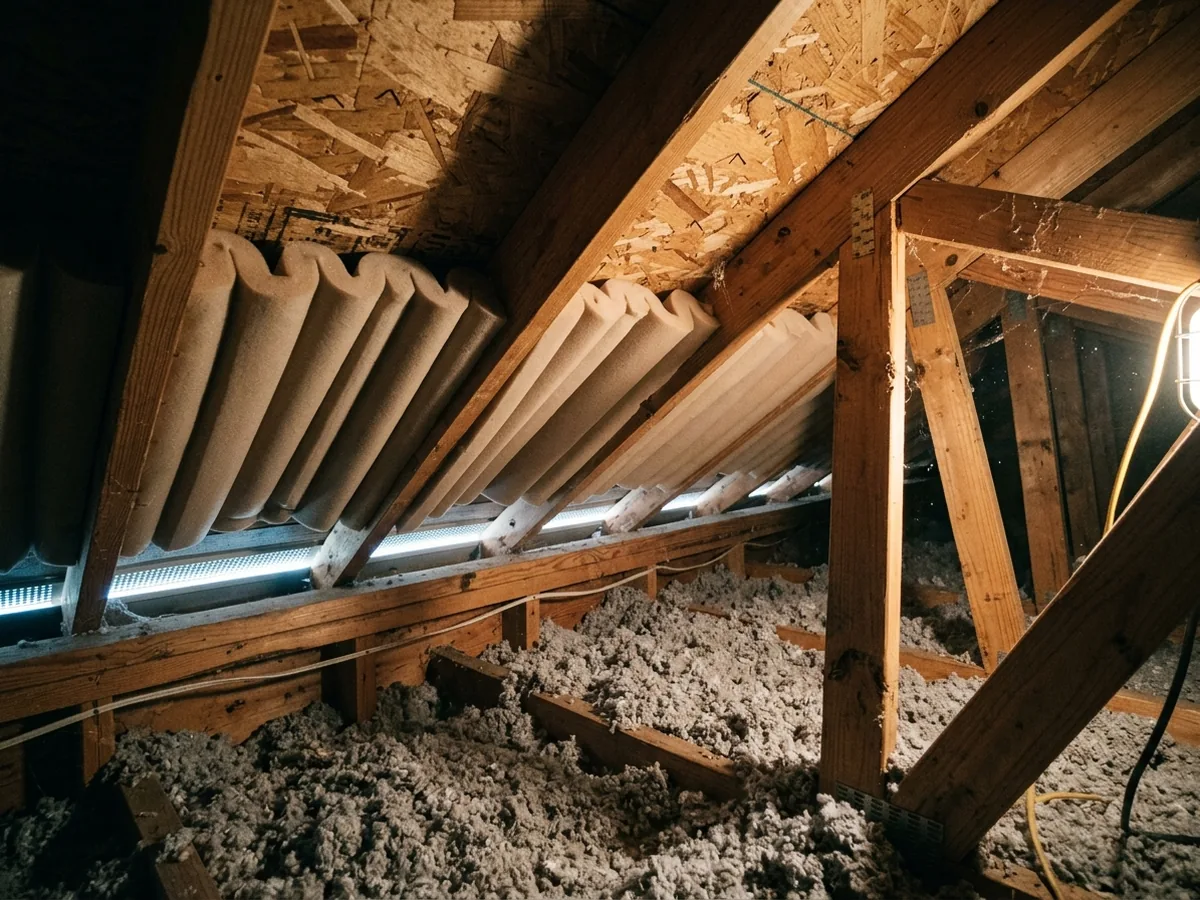
Soffit Intake Strips and Baffles
Intake is the half people forget. The code's 1-in-300 option only applies when 40 to 50 percent of the vent area sits within 3 feet of the ridge and the rest sits in the bottom third of the attic, which in practice means the soffits. IIBEC lists the usual ways intake fails: vents buried by insulation where no baffles went in, vents clogged with debris, and vented soffit panels nailed over solid wood with no holes cut behind them. Baffles are the fix. They are cardboard or foam chutes stapled between rafters above the wall, and the code requires at least a 1-inch air space between the insulation and the roof sheathing at each vent. HomeGuide puts new soffit vents at $300 to $650. Damaged soffit panels themselves are covered on soffit and fascia repair.
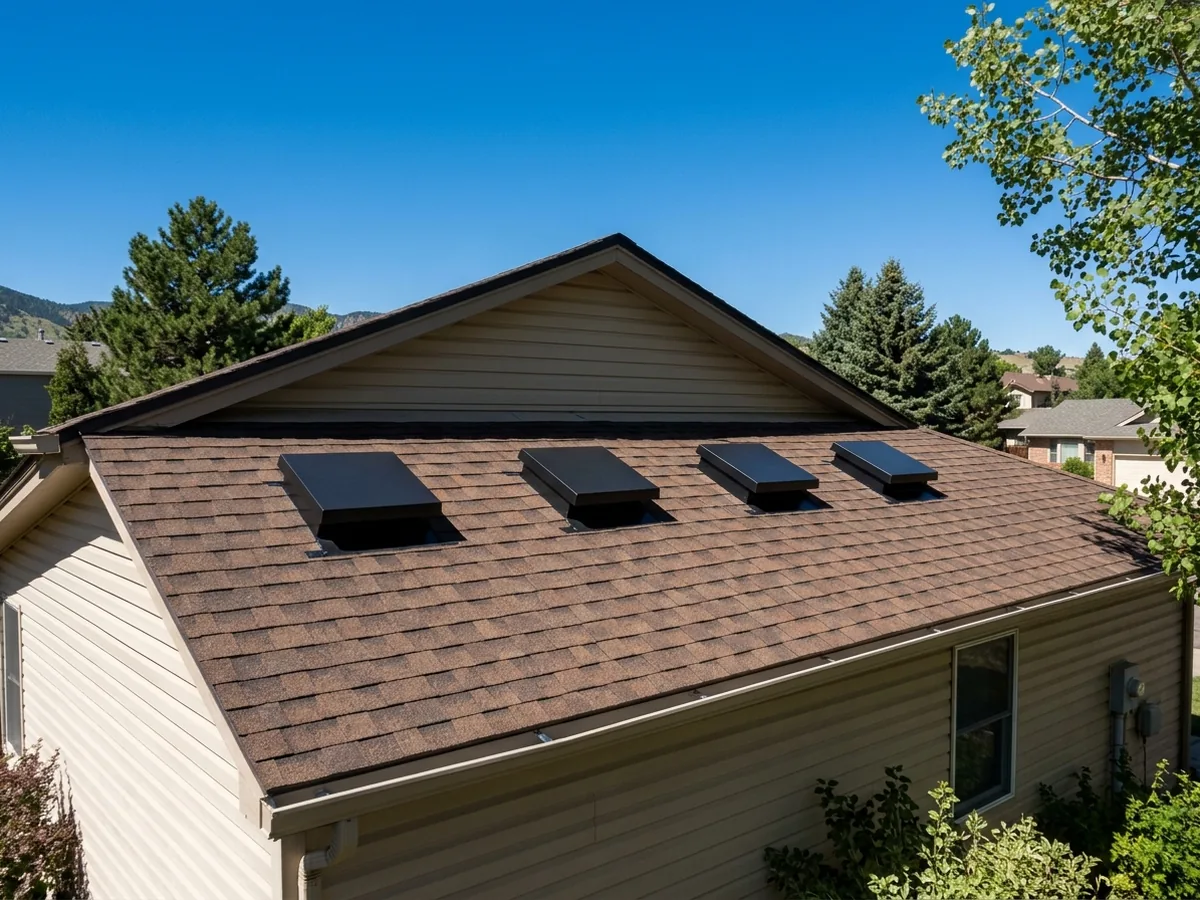
Static Box Vents
Box vents, also called turtle or low-profile vents, are square hooded openings cut into the roof near the ridge. They are cheap at $40 to $200 each, per HomeGuide, and the right answer on roofs with little ridge to work with. They are also easy to under-count. IIBEC puts a typical box vent at 50 to 60 square inches of net free area, and gives an example where a gable roof needs 240 square inches of exhaust but has three vents providing 180. Never mix them with a ridge vent on the same attic: IIBEC calls it a short circuit, because the air short-cuts between the box vents and the ridge instead of sweeping up from the soffits. Dented vent hoods are one of the post-storm signs on the hail damage roof repair page.
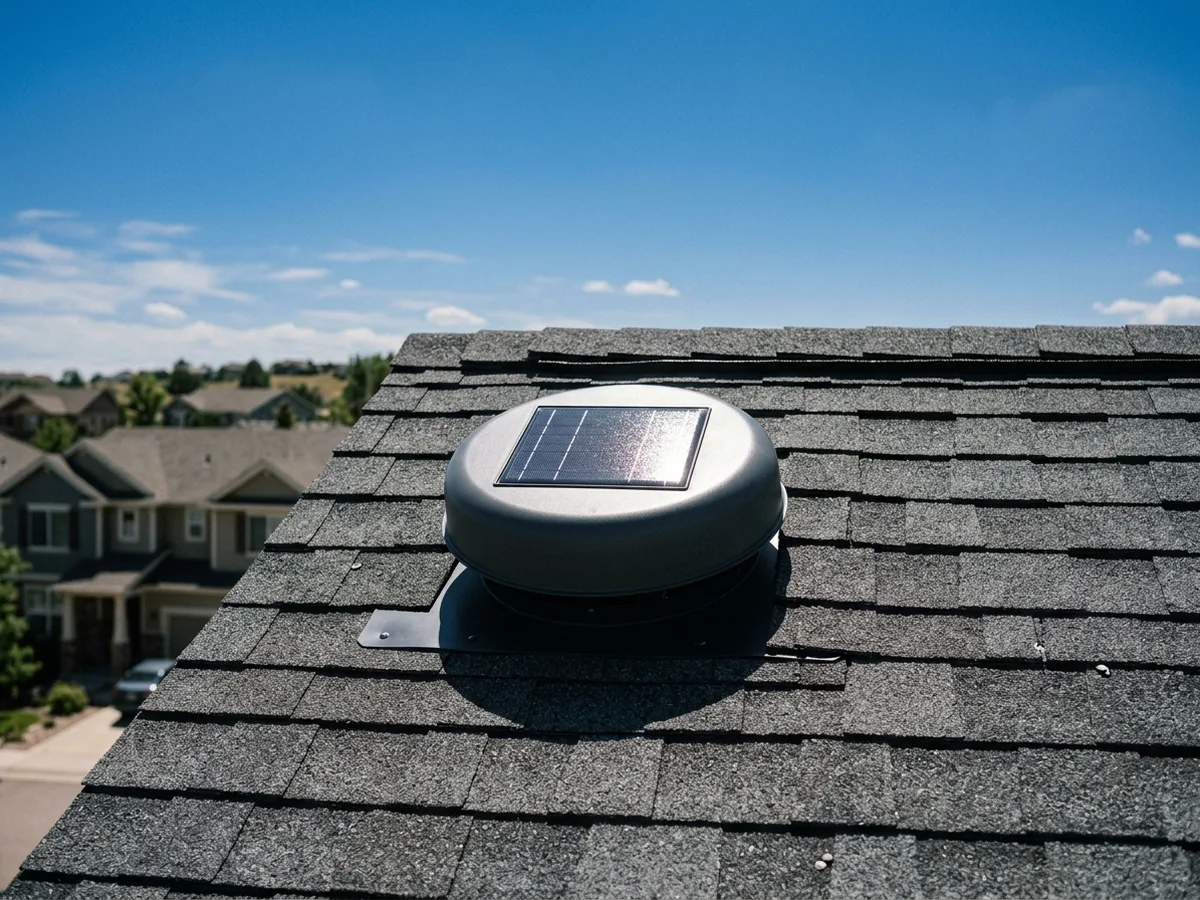
Solar and Electric Attic Fans
A powered fan pulls air out instead of waiting for it to rise. IIBEC cites the roofing contractors' association rule that a fan moving 1 cubic foot per minute per square foot of attic floor equals the 1-in-150 ratio, and stresses that the fan still needs matching intake. HomeGuide puts attic fans at $300 to $900 installed and a solar roof fan at $300 to $1,400. It says most professionals don't recommend electric fans because running them uses up whatever the cooler attic saves on air conditioning, while a solar fan costs nothing to run. A humidistat switches the fan on when the attic gets damp, not just hot. InterNACHI gives attic fans 15 to 25 years, so the fan will likely need replacing before the shingles around it.
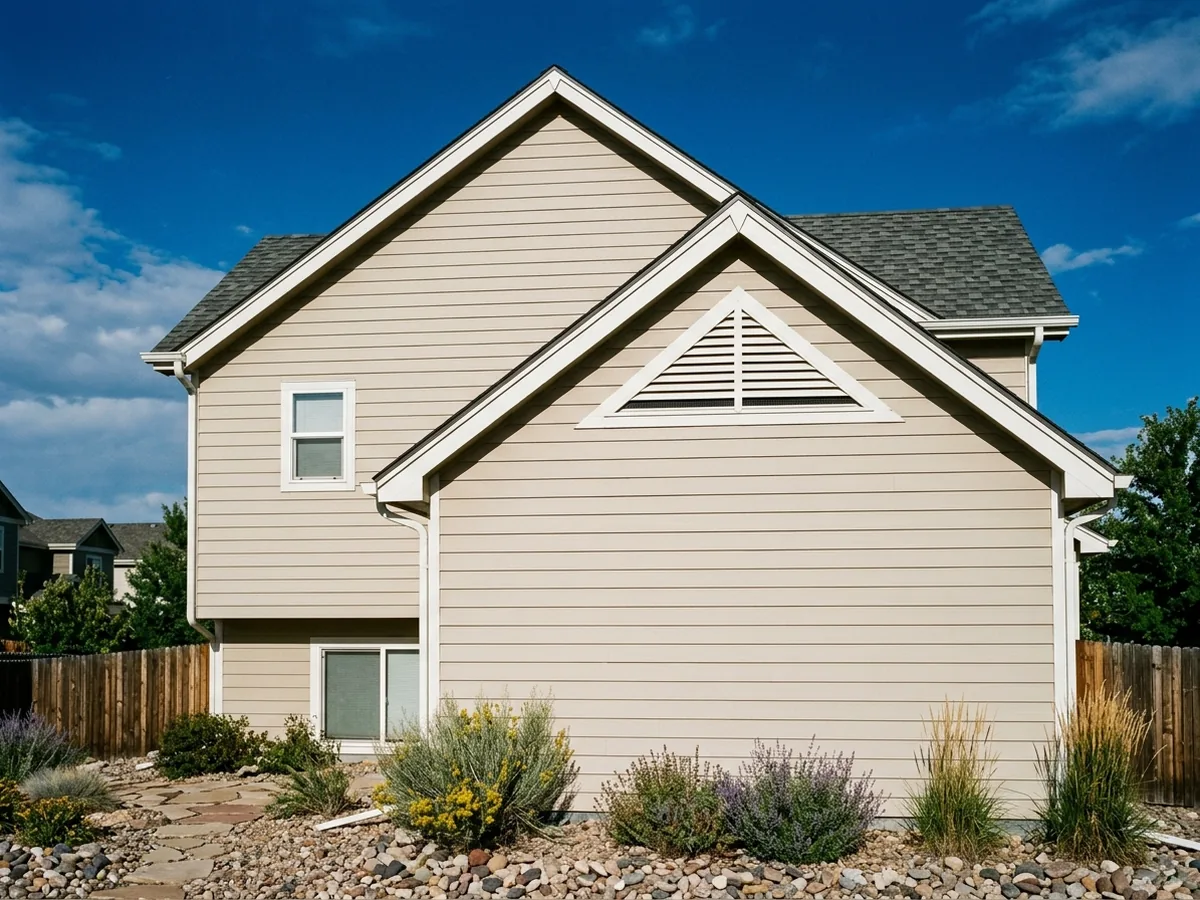
Gable-Wall Louver Vents
Gable vents are the louvered openings in the end walls under the peak. With soffit vents below, IIBEC says they work as exhaust. Without them they serve as both intake and exhaust, and how well depends on which way the wind is blowing. Many are simply too small for the attic behind them. The code doesn't specifically address gable vents, so whether one counts toward the required area is the building department's call. HomeGuide prices a gable vent at $100 to $500, and notes that roofers recommend sealing existing gable vents when a ridge vent goes in, for the same short-circuit reason as box vents.
Why Thornton homeowners call Thornton Expert Roofing
- Free written estimate, no obligation
- One independent local contractor per request, not a call list
- A written contract with the price and materials before any work, as Colorado law requires
- Nothing charged to homeowners for the referral
Attic Ventilation Against Ice Dams and Freeze-Thaw
Winter in the Denver area runs on a daily freeze and thaw. At Denver's 1991-2020 normals, every month from November through March has an average high above freezing and an average low below it: January runs 44.6°F by day and 18.7°F at night. The first freeze comes around October 7 and the last around May 5, with measurable snow on average from October 19 to April 28. The National Weather Service gives Denver's official seasonal snowfall as 49 inches, probably undercounted (the true figure is likely nearer 56), and it falls to about 47 inches out toward the airport. Snow arrives, melts and refreezes all season.
That is the setting for ice dams. The Department of Energy's Building America Solution Center says one can form with as little as 2 inches of snow. House heat leaking into the attic warms the deck, the snow above it melts, and the water refreezes when it reaches the cold eave. Its order of fixes: seal the air leaks from the house into the attic first, then insulate, then ventilate, with baffles carrying cold air from the soffits up under the deck.
Thornton doesn't treat ice barrier as a code item. The city's design table marks ice barrier underlayment "NO", and its Roofing Standards require ice and water shield only where the shingle maker's installation instructions call for it. So ventilation and air sealing do the real work here. Ice dams are a lesser risk than hail in this market, but icicles along the eaves and bare patches in the snow higher up the roof show where house heat is getting into the attic.
Attic Ventilation Checks During a Re-Roof
Ventilation is easiest to change while the old roof is off: the deck is open, the old vents come out anyway, and the ridge slot can be cut before new shingles go on. Thornton's final roof inspection includes ventilation along with flashing and drip edge; the full list is on the roof inspection page.
Three checks that sit just outside the roofing scope:
Dryer and gas vents
The city's final inspection doesn't cover dryer duct or gas vent connections below the roofline. Tear-off can knock one of them loose, so the city's advice is to have a licensed plumber or mechanical contractor look at both once the roof is finished.Bath and kitchen fans
Section M1501.1 of the residential code wants every exhaust fan ducted all the way outside, and it names attics, soffits and ridge vents as places a duct may not end. A bath fan blowing steam into the attic puts moisture right where the vents are trying to remove it.The numbers
Ask for the attic floor area, the net free area the code calls for, and the intake and exhaust area the new vents provide. Ask which old vents get removed or sealed. HomeGuide prices a new roof vent at $200 to $700 installed, so getting the count right is worth the few minutes it takes.
On a full roof replacement, the ventilation plan belongs in the written estimate next to the shingle line.