
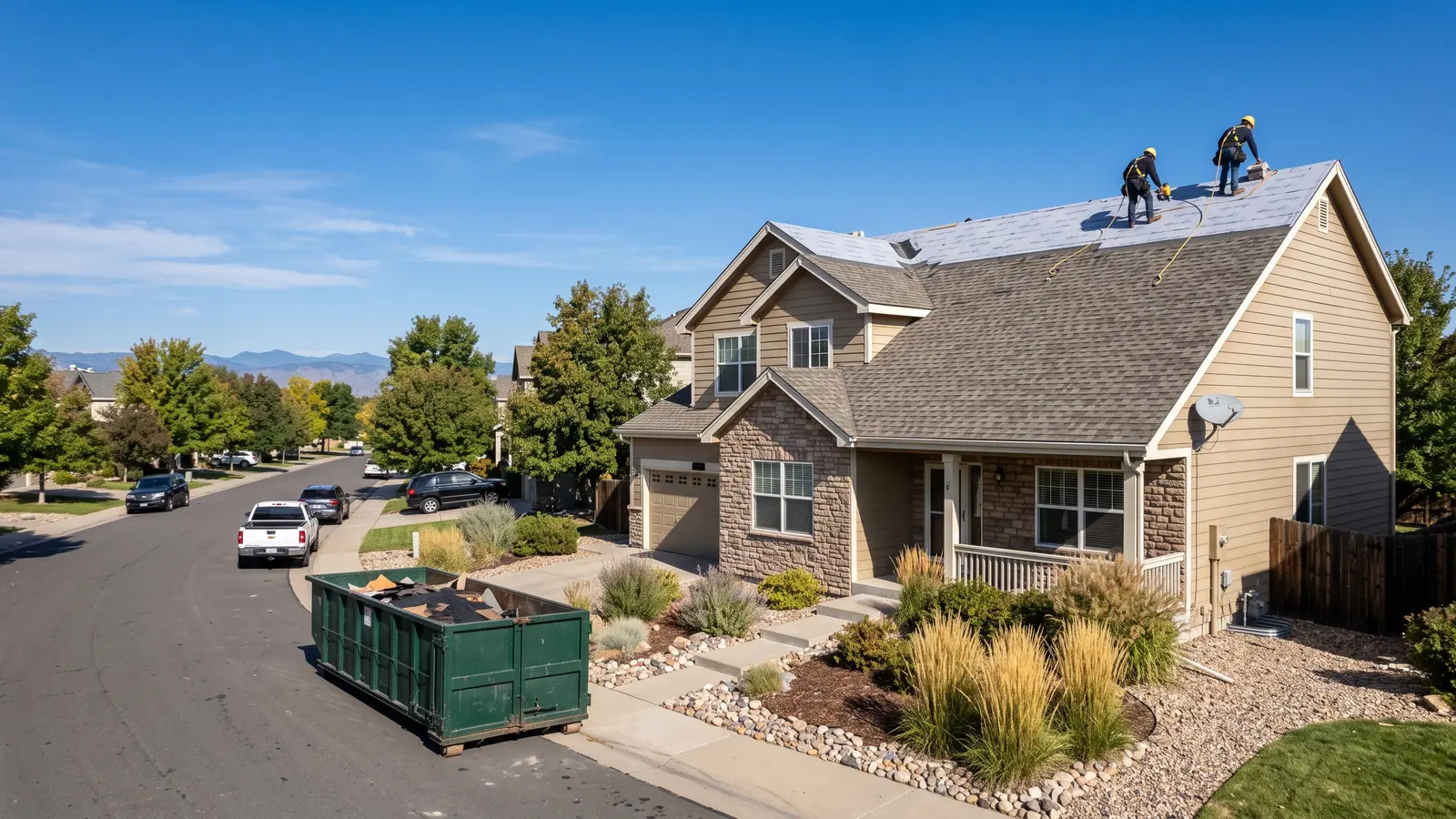
Synthetic Slate and Shake Roofing, Material by Material
Composite Synthetic Slate
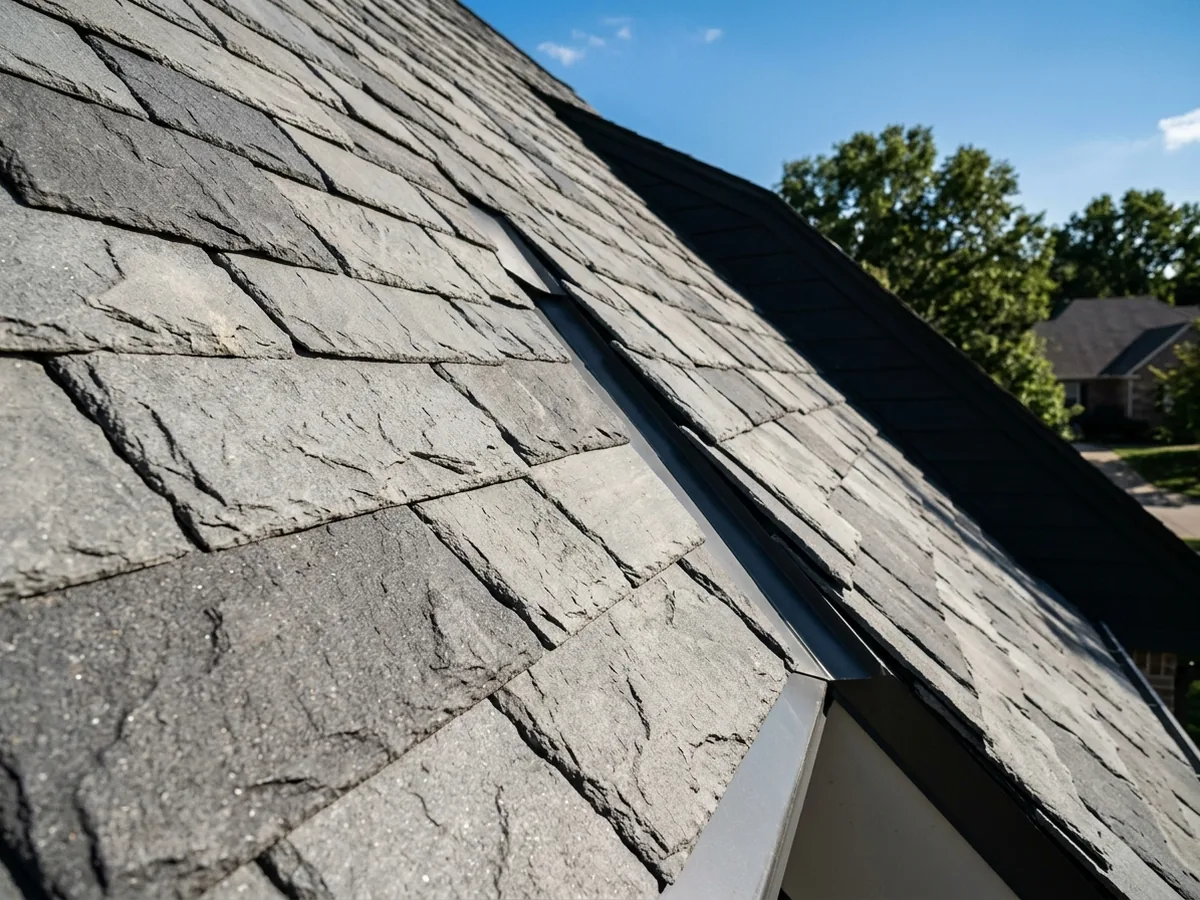
Composite slate is molded in tiles of varying widths and thickness, with chipped edges and a cleft texture copied from real stone. HomeGuide describes the material as plastic, rubber or polymer, lighter and more impact resistant than natural slate but shorter-lived. DaVinci says its tiles use virgin resins with UV and thermal stabilizers and a fire retardant, and lists them as Class 4 impact-rated and Class A fire-rated. Those ratings belong to that product. DaVinci points out that some other synthetic tiles are made from recycled materials such as tires, and ratings vary by product, so ask for the specific line's UL 2218 class and fire rating in writing. Mixed widths and a blend of two or three colors keep the roof from looking stamped.
Polymer Shake Shingles
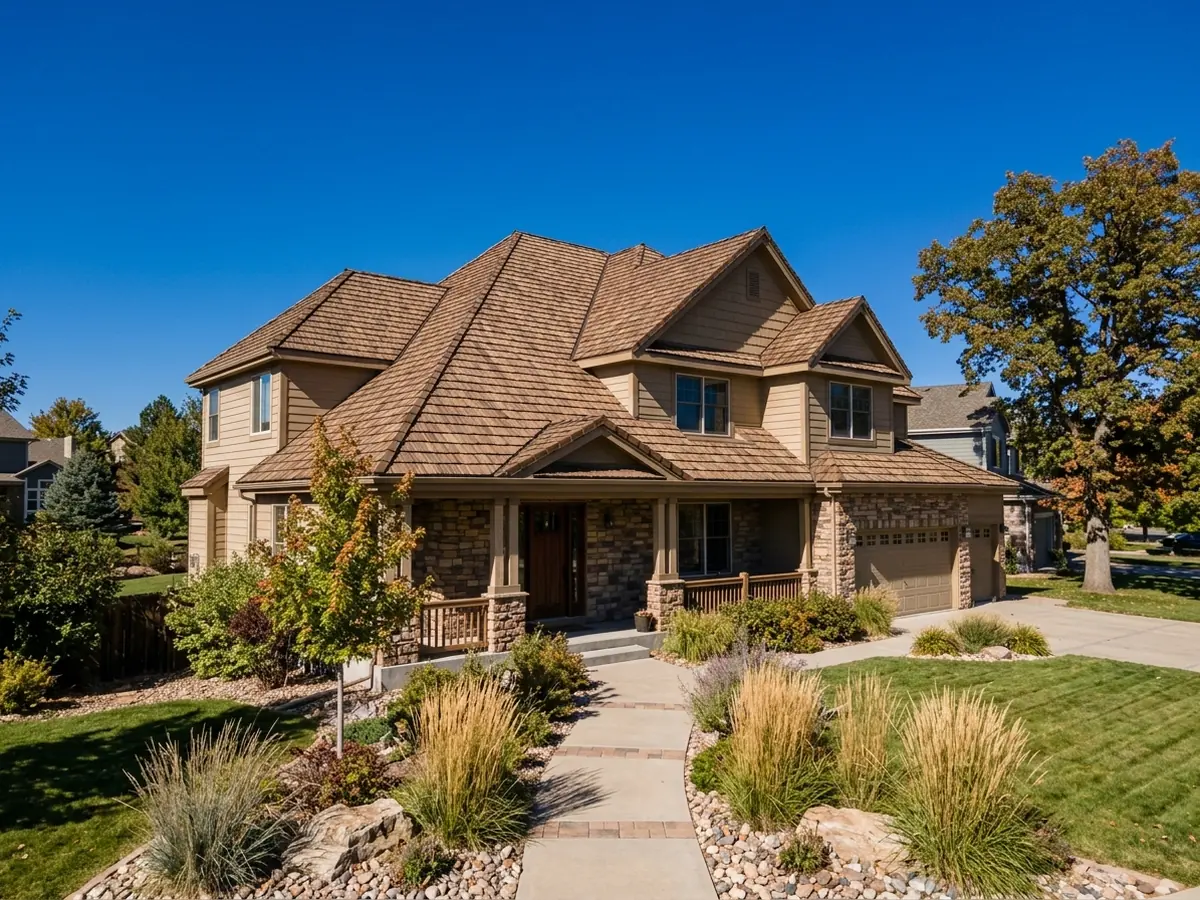
Composite shake is molded with the grain, splits and thick butts of hand-split cedar. The pitch to homeowners is cedar's look without its upkeep. DaVinci, for one, sells three composite shake options and lists them as Class 4 impact-rated and Class A fire-rated, and says natural cedar inevitably rots, cracks and curls. That's a maker talking about its competition, so weigh it as such. Courses are laid with staggered widths and exposures, with matching hip and ridge pieces. Color blends from the factory mean there's no stain or preservative to renew.
Repairing Real Cedar Shakes
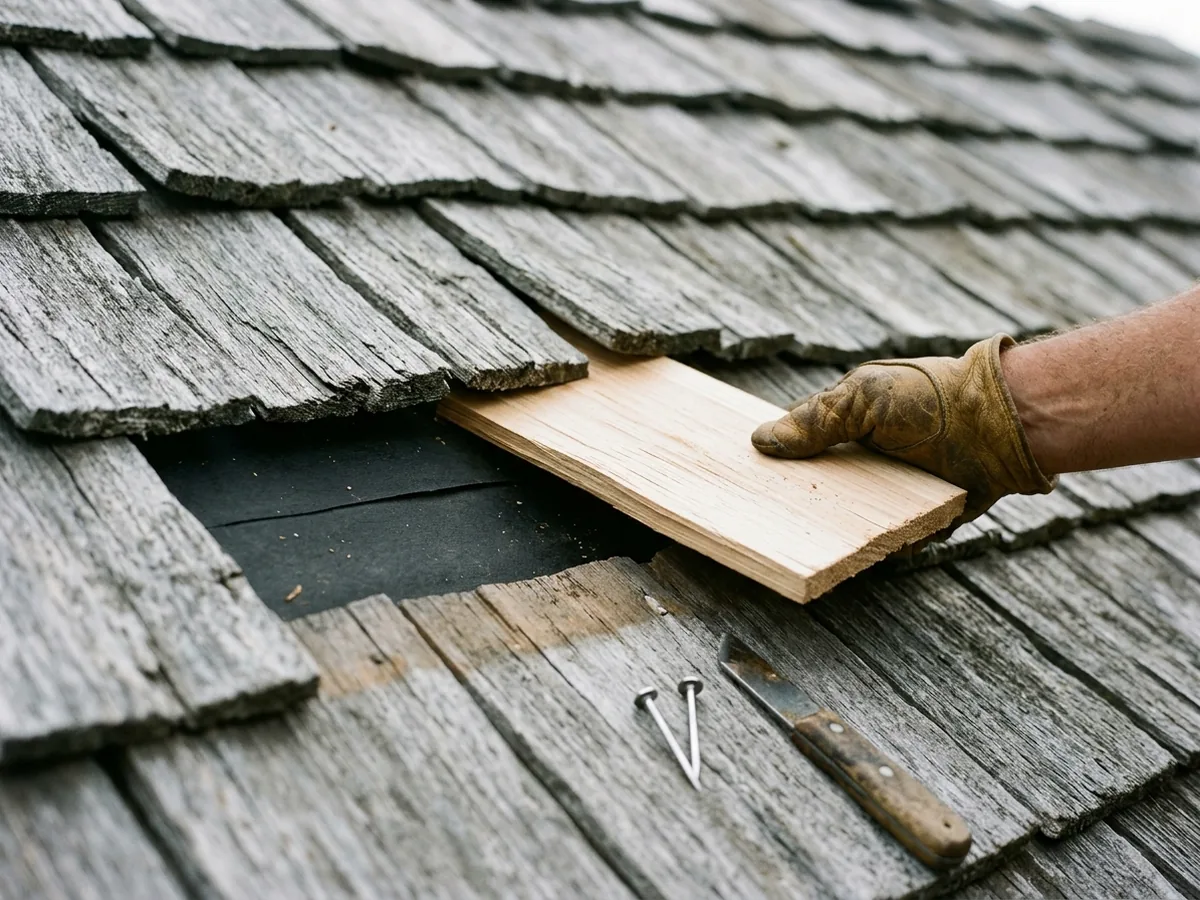
Real cedar shake roofs still need repairs. A repair replaces split, cupped or missing shakes one at a time, and the 2024 IRC's shake rules still apply: an 18-inch strip of No. 30 felt interlaid between courses, 3/8 to 5/8 inch gaps between shakes, a 1 1/2-inch side lap and two stainless or hot-dipped galvanized nails per shake. New cedar is pale against weathered gray wood, so patches show at first. Where shakes sit on spaced boards and the attic sees their underside, the code also expects that attic to be ventilated, so a repair is a good time to check the vents. When the splits are spread across the roof, repairs stop being worth it. InterNACHI rates wood roofing at about 25 years, and HomeGuide puts a new wood shake roof at $7 to $15 a square foot.
Why Thornton homeowners call Thornton Expert Roofing
- Free written estimate, no obligation
- One independent local contractor per request, not a call list
- A written contract with the price and materials before any work, as Colorado law requires
- Nothing charged to homeowners for the referral
Synthetic Slate and Shake Cost, Weight and Service Life
HomeGuide's published estimate for synthetic slate is $9 to $12 a square foot installed, or $12,500 to $26,000 for an average roof. Natural slate, by the same source, runs $10 to $30 a square foot and may need structural reinforcement for its weight. Composite tiles avoid that weight problem, which is much of their appeal on houses framed for asphalt.
Service life is where the synthetic option gives ground. InterNACHI's chart puts simulated slate at 10 to 35 years, against 60 to 150 for natural slate. That's a wide range, and a short one next to stone. Read the maker's warranty, check what it covers for color fade, and ask how long the line has been on the market.
What moves a Thornton estimate up or down:
The product line
Brands and lines price differently, so get the line named on the estimate.Roof shape
Dormers, turrets and short valleys add cut pieces and flashing.Tear-off and deck
Cedar shake is often laid on spaced boards; ask whether a solid deck has to go on before the composite.Flashing
Valley, step and counter flashing get replaced with the roof, in a metal and color that suit it.
Synthetic Shake or Cedar Under HOA Rules
Many subdivision HOAs control roof color and material, and a switch from one roof type to another usually goes to an architectural review committee first. Colorado law puts one limit on those rules: a common-interest community association can't require cedar shakes or other flammable roofing materials, whatever its declaration says (C.R.S. 38-33.3-106.5). So a board that wants the shake look can't make an owner put real wood on the house.
That's the case for composite shake: it gives a committee the look it asked for with a Class A fire rating, if the product carries one. Bring the committee the maker's spec sheet, a physical sample in the proposed color, and the fire and impact ratings. For community-wide re-roofs, see HOA roofing.
Ask your insurer as well. If a premium discount depends on the roof's impact class, the impact-resistant shingles page explains the UL 2218 classes and what to ask for.
Synthetic Slate Installation Details Worth Checking
Composite tiles go on like a premium shingle, nailed to a solid deck over underlayment, but the details are the maker's, not the generic code's. For comparison, the 2024 IRC keeps natural slate to slopes of 4:12 or steeper and wood shakes to 3:12 or steeper; each composite line publishes its own minimum, and some differ from both. Ask the roofer:
- STEP01Which product line, which color blend, and its stated minimum slope and exposure.
- STEP02How many nails per tile and where, from the installation instructions.
- STEP03
What goes in the valleys
Open metal or woven tiles. - STEP04How starter, hips and ridge are finished, and whether the caps are from the same line.
- STEP05
What the warranty requires
Product registration, a certified installer, a specific underlayment. - STEP06The line's UL 2218 class and Class A fire listing, on paper.
- STEP07Whether the job needs a Thornton permit and inspections (over one square, it does; see roof replacement).
Keep a bundle of leftovers. Matching a blended color years later is hard, and a few spare tiles make the next repair simple. If the roof is mostly fine and only a few cracked tiles need attention, standard roof repair covers that kind of call.