
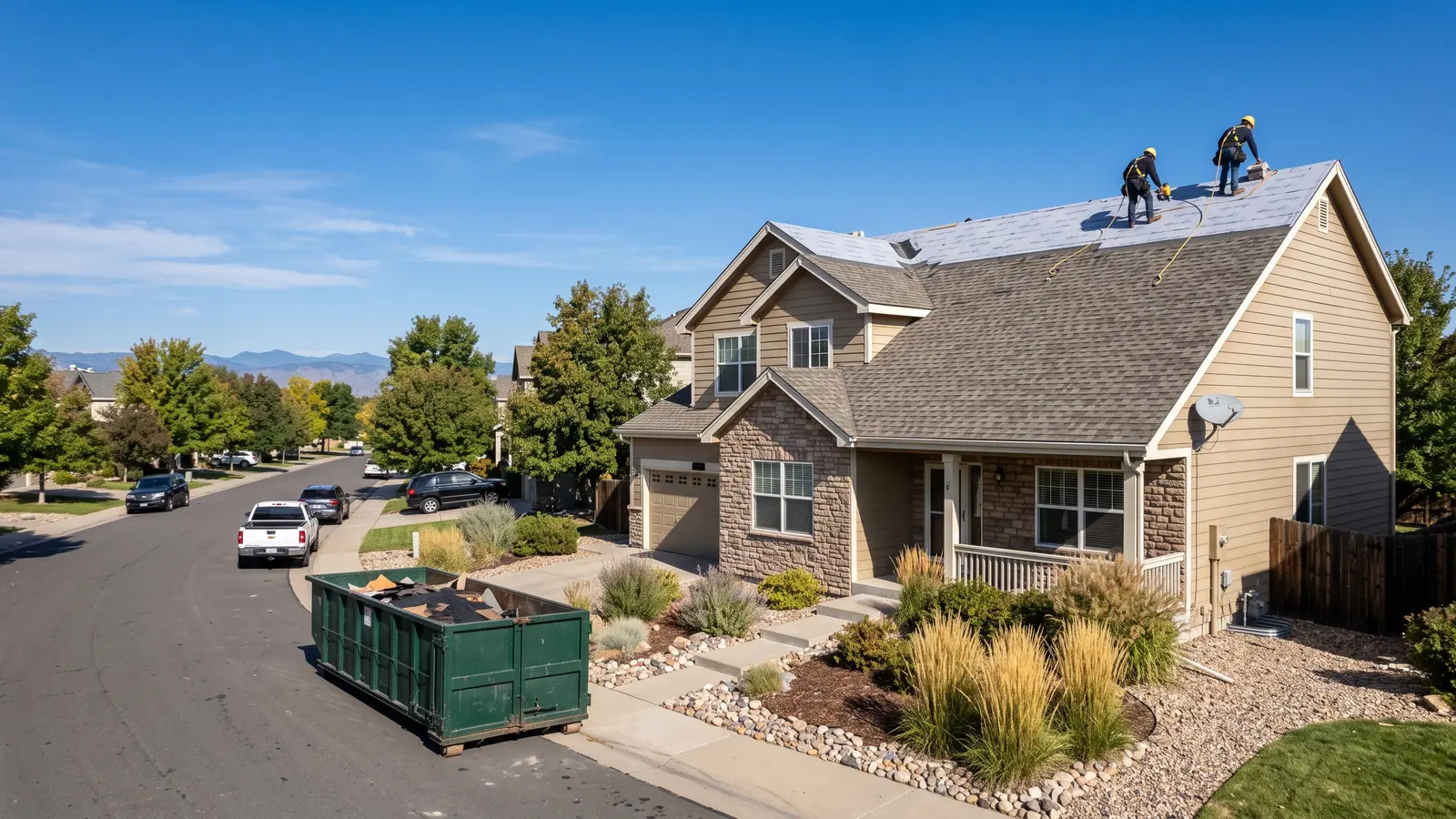
Stone-Coated Steel Roofing Profiles and Repairs
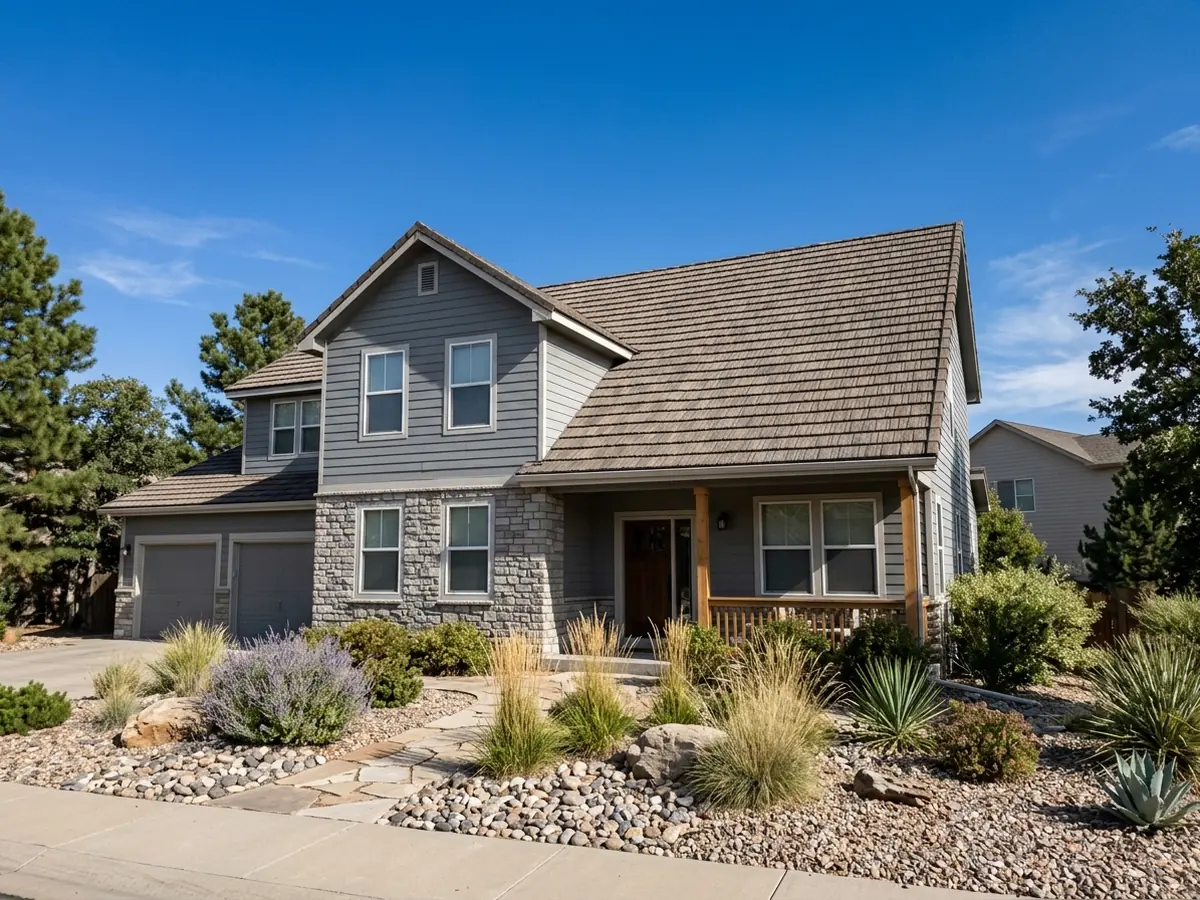
Shake-Profile Panels
On a shake panel, each steel sheet is pressed into a row of rough, uneven "shakes" with deep shadow lines, then granule-coated in browns and greys. DECRA sells Shake and a thicker-looking Shake XD. From the curb a shake-profile roof reads as wood, but it doesn't split, cup or rot. It suits homeowners who want the look of cedar without the upkeep of wood. Ask to see a full panel, not a small sample chip. The shadow pattern repeats across each panel, and how obvious the repeat looks is a matter of taste.
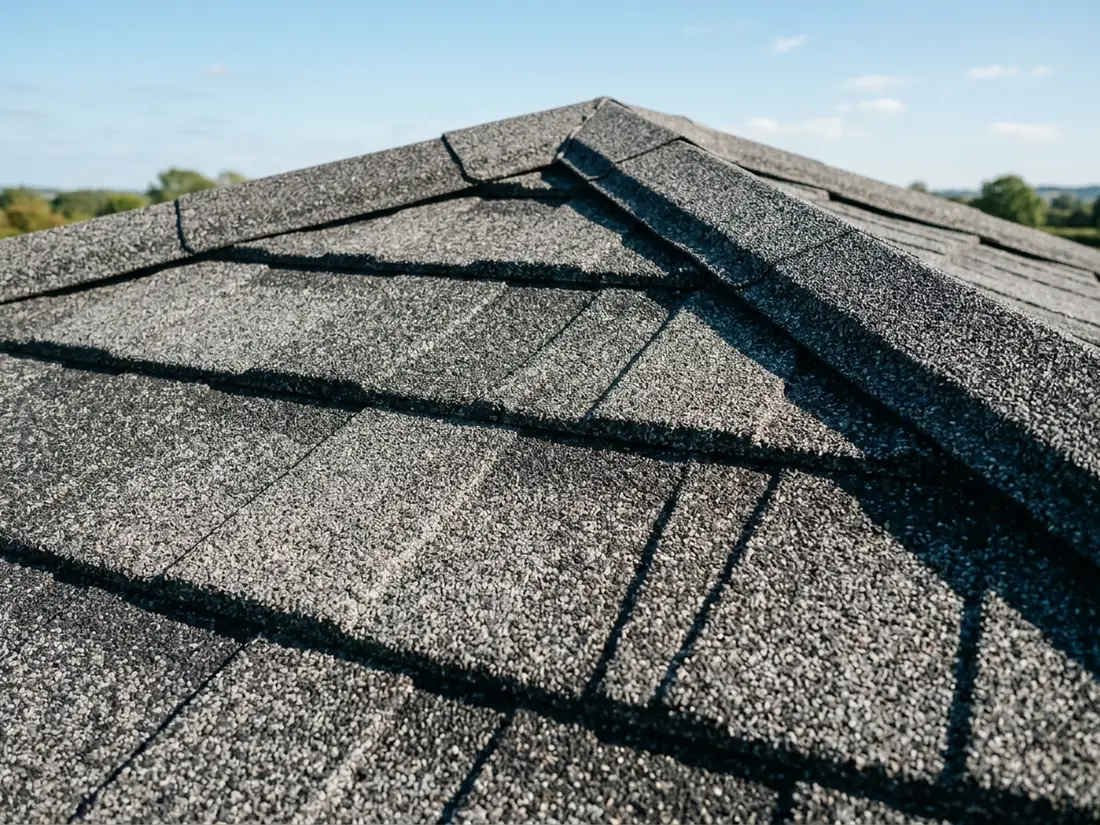
Shingle-Profile Panels
Shingle-profile panels mimic a laminated architectural shingle, with the same staggered tab lines and two-tone shadow. DECRA's Shingle XD is one of these. On a street of 1990s and 2000s asphalt roofs, this is the profile that blends in most, which helps when a homeowners association reviews a material change. Underneath, it's still steel with an aluminum-zinc coating. Each panel covers far more area than one asphalt shingle, so a roof goes on with fewer pieces. Edges, valleys and penetrations still need careful trim work.
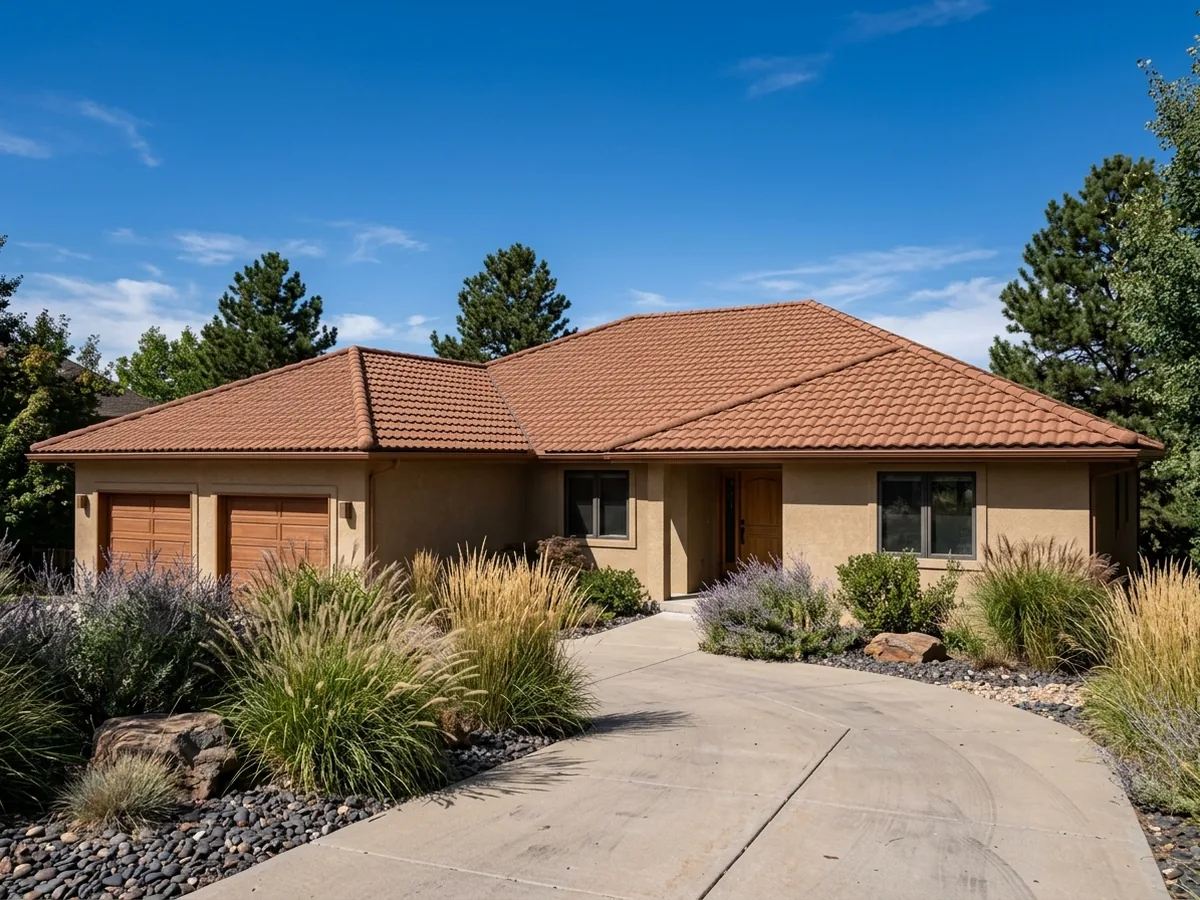
Barrel-Tile Profile Panels
Barrel-tile panels are pressed into the rounded rows of a clay mission or Spanish tile. DECRA sells a Tile profile and a lower-profile Villa Tile. The appeal is the clay look without the load of real tile. Standard concrete tile weighs about 9 1/2 to 12 pounds a square foot, and a house built for shingles may need its framing checked before real tile goes on. Ridge and hip caps come as rounded stone-coated pieces to match the field.
Stone-Coated Steel Repair
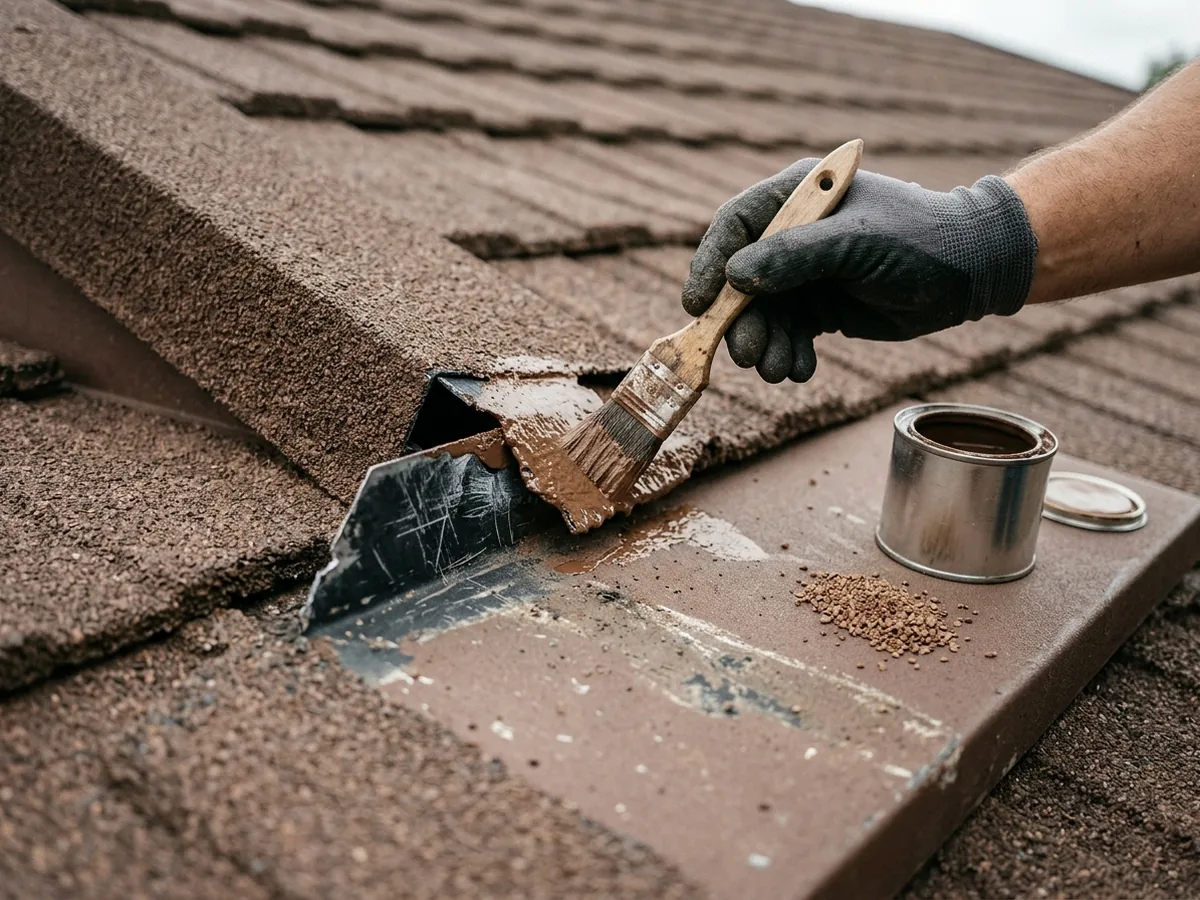
Most repairs fall into three groups. Cut edges and scratches that expose bare coating get a color-matched touch-up. DECRA sells kits by color for cut edges and minor scratches. Panels dented or holed by a large stone, or by a fallen limb, get lifted out and replaced with the same profile and color. Loose ridge or rake trim gets refastened. Foot traffic is its own risk. DECRA notes its granules must be hard enough not to fracture under people walking on the panels, which tells you the roof isn't meant to be walked on casually. After a storm, the fewer people up there the better.
Why Thornton homeowners call Thornton Expert Roofing
- Free written estimate, no obligation
- One independent local contractor per request, not a call list
- A written contract with the price and materials before any work, as Colorado law requires
- Nothing charged to homeowners for the referral
Stone-Coated Steel Roofing Cost and Lifespan
HomeGuide puts stone-coated steel at $7 to $13 a square foot installed, or $12,200 to $25,900 for an average roof. It's a published estimate, not a quote. That puts it below standing seam's range and above architectural shingles. What moves a Thornton estimate:
Profile
Shake, shingle and tile panels price differently, and some lines need more trim pieces.Roof complexity
Hips, valleys, dormers and walls each need cut panels and stone-coated trim.Tear-off and decking
The old roof comes off, and soft decking is replaced before inspection.Penetrations
Vents, flues and skylights all need flashing worked into the panel pattern.
InterNACHI rates metal roofing at 40 to 80 years. For how that compares with shingles, tile and membranes, see roof replacement.
Stone-Coated Steel or Standing Seam on a Hail-Prone Roof
Both are steel, and both are sold with hail in mind. The differences come down to looks, slope, price and HOA rules.
DECRA says its stone-coated profiles carry a UL 2218 Class 4 impact rating, and it warrants them against hailstones up to 2.5 inches across. Class 4 means the panel passed the drop test with a 2-inch steel ball; impact-resistant shingles explains the classes. DECRA also lists its products as Class A for fire and warrants them for winds up to 120 mph. Those are the maker's terms for its own products, so read the warranty for any other brand on the estimate.
Slope matters. If stone-coated panels are installed as metal roof shingles, the 2024 IRC sets a 3:12 minimum slope, while standing seam systems can go much lower. A shallow porch roof or low addition may need standing seam or a membrane even where the main roof is stone-coated.
On price, HomeGuide's stone-coated range starts lower than its standing seam range. For overall metal costs and Thornton's design snow and wind loads, see metal roofing.
HOA design rules can settle it. On a street of shingled houses, a shake or shingle profile is likely to sit more comfortably with an architectural committee than smooth panels, though that's the committee's decision. Colorado law also stops an association from requiring cedar shakes or other flammable roofing, so a board that wants the shake look has to accept a substitute such as stone-coated steel or composite shake. Bring the committee a full panel, the color name and the maker's fire and impact ratings. Community-wide jobs are covered under HOA roofing.
Stone-Coated Steel Details for the Written Estimate
Each maker designs its panels, trims and fasteners to fit each other, and DECRA publishes fastening schedules by wind speed. Under the stone, the steel needs a real corrosion coating: the 2024 IRC lists 55% aluminum-zinc (AZ50) and G-90 galvanizing among acceptable bases, and DECRA coats both faces of its steel with aluminum-zinc alloy. Ask the roofer to name:
- the maker, product line, profile and color, plus the warranty terms that come with them;
- the fastening schedule the bid follows, and the underlayment and how it's lapped at valleys and walls;
- every trim piece (ridge, hip, rake, eave, wall) and whether it's stone-coated to match;
- how pipe boots, roof vents and any chimney are flashed into the panels;
- the tear-off, a decking allowance, and who pulls the permit.
Thornton re-roofs over one square need a permit and inspections (see roof inspection). Keep a spare panel or two from the job. Lines and colors can be discontinued, and an exact match is easiest to find on day one.