
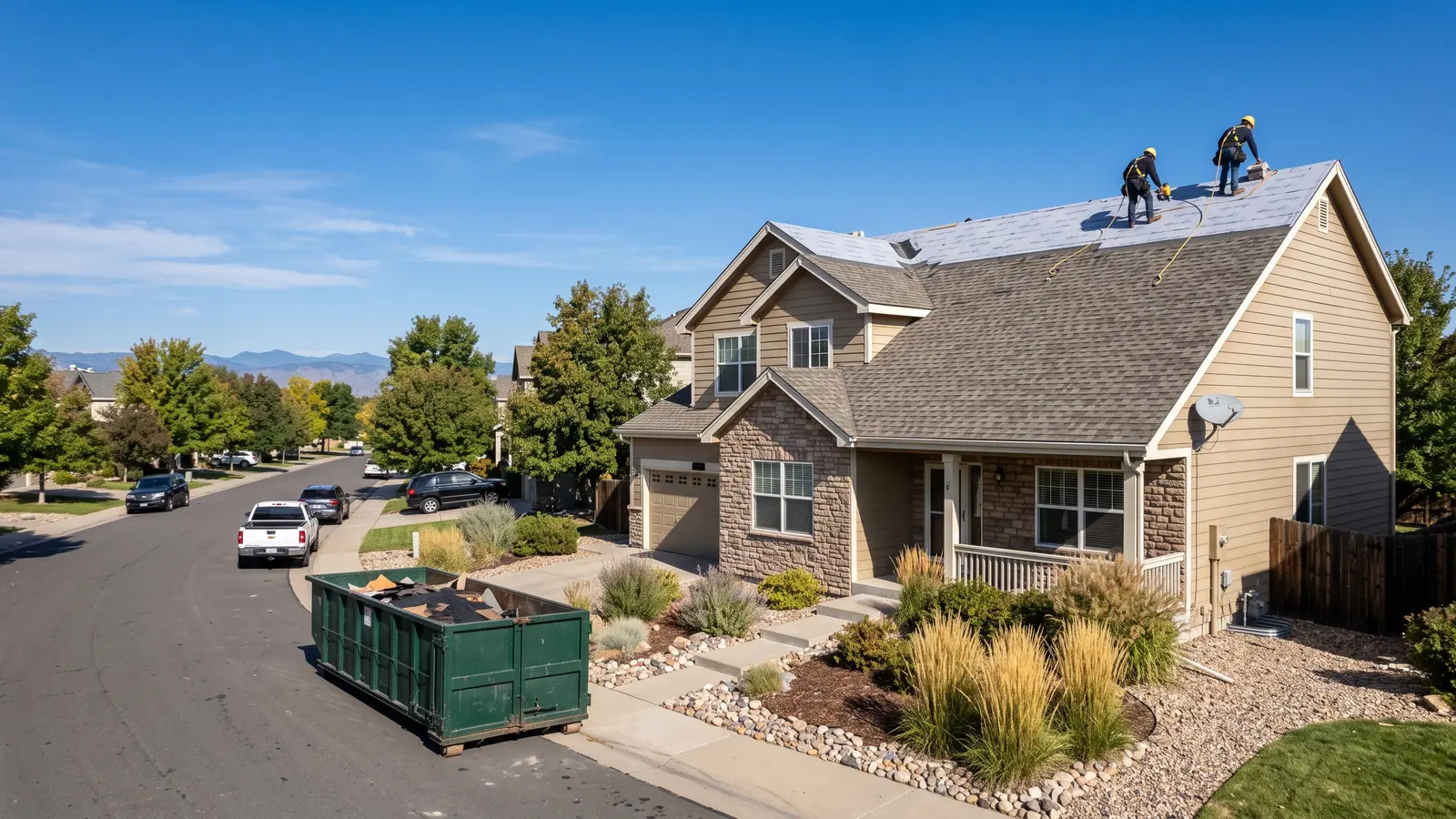
Impact-Resistant Shingles by How They're Built
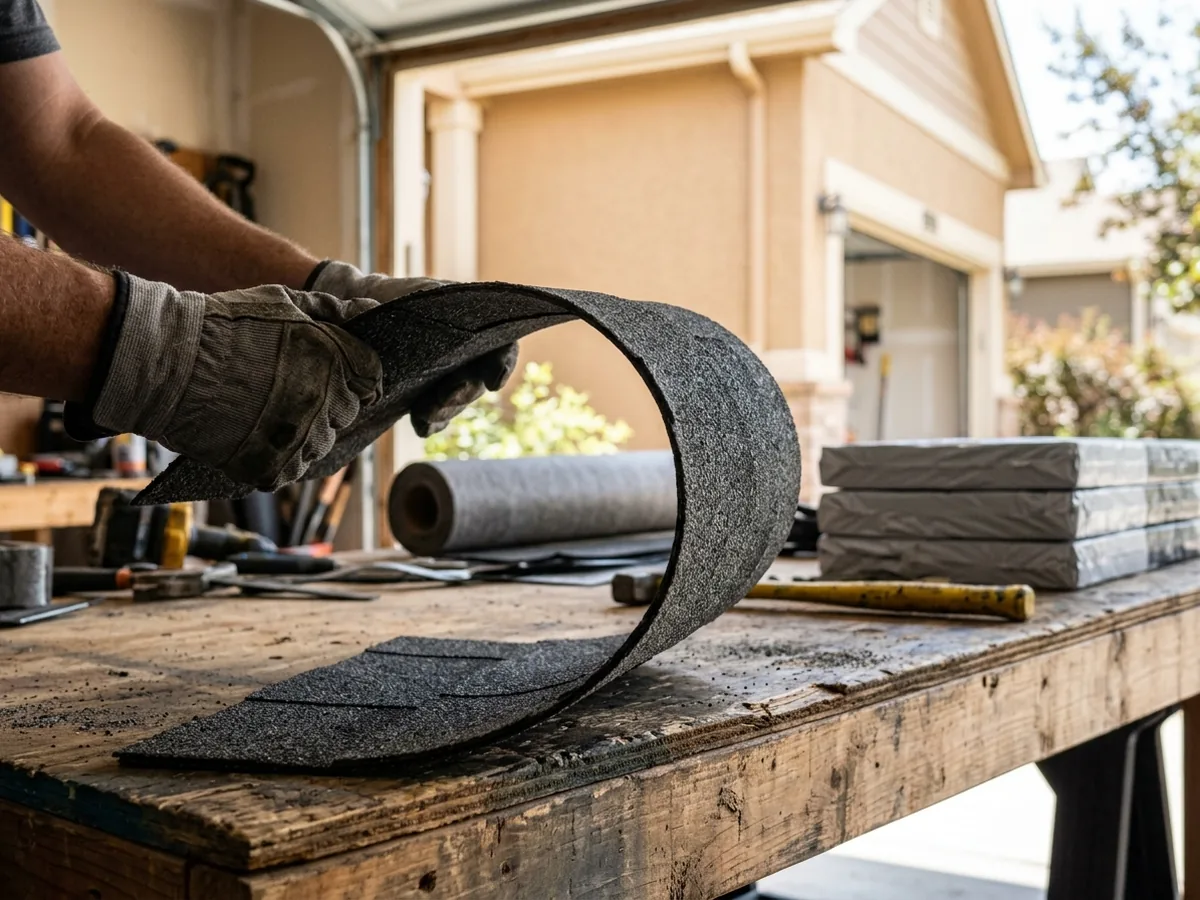
SBS Polymer-Modified Shingles
SBS stands for styrene-butadiene-styrene, a synthetic rubber mixed into the asphalt itself. Malarkey says it began adding SBS to its roofing asphalt in 1976, instead of relying only on oxidized asphalt, which is hardened by heating. Owens Corning describes the SBS blend in its Duration FLEX line as making the shingle pliable, and lists that line as UL 2218 Class 4. The idea is simple: a stiff shingle cracks when a stone hits it, and a rubbery one gives a little and springs back. Ask the roofer which product line is on the estimate and what class it carries. The rating belongs to a specific shingle, not to the word "SBS" on a brochure.
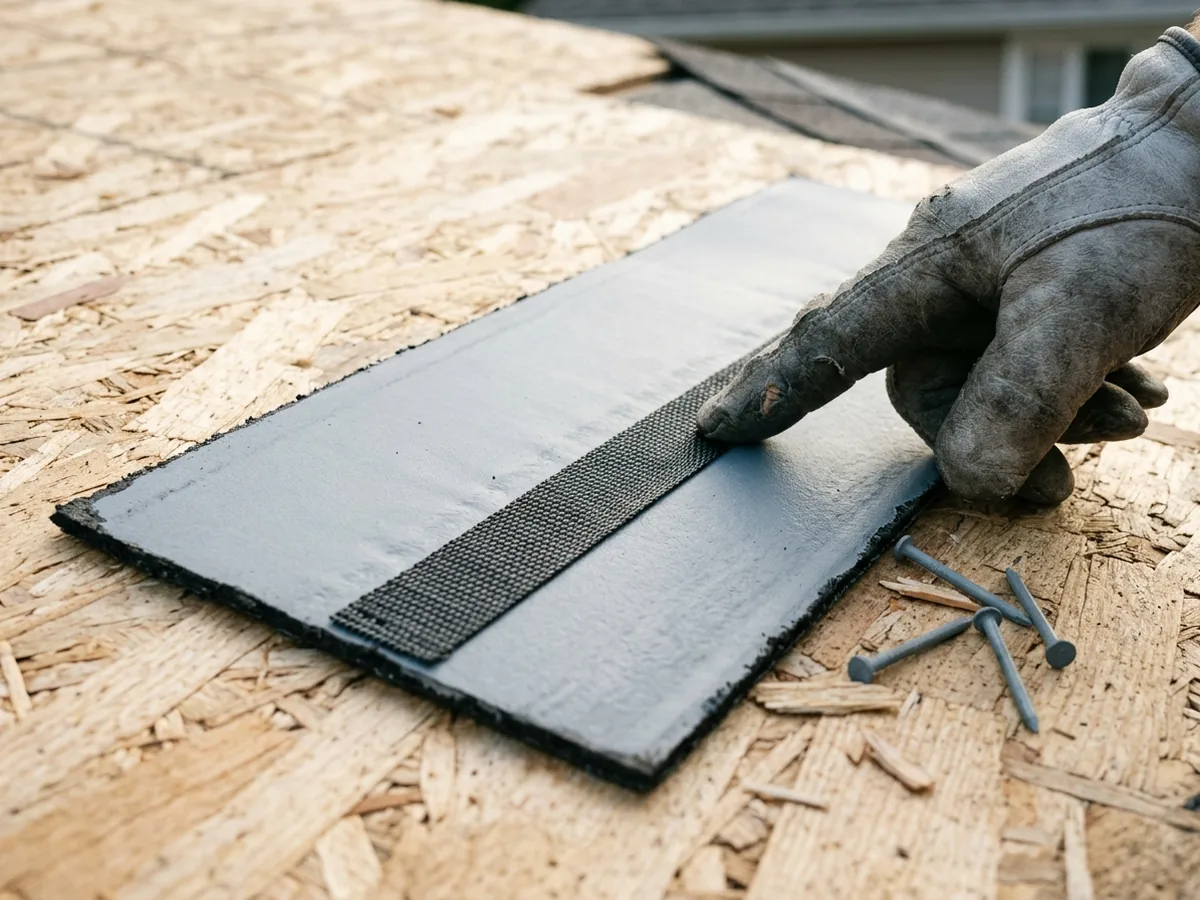
Reinforced-Mat Laminated Shingles
Other Class 4 shingles keep conventional asphalt and toughen the back instead. Owens Corning's Duration STORM carries an integrated polymeric backing on the underside of each shingle, which the maker says is what lets it meet UL 2218 Class 4. The same line has a woven fabric strip in the nailing area. From the street it looks like any laminated architectural shingle. One detail matters on the estimate: Owens Corning says matching impact-rated hip and ridge shingles are required to complete its Class 4 roof system for warranty coverage. Ask whether the caps, and not just the field shingles, are the rated product.
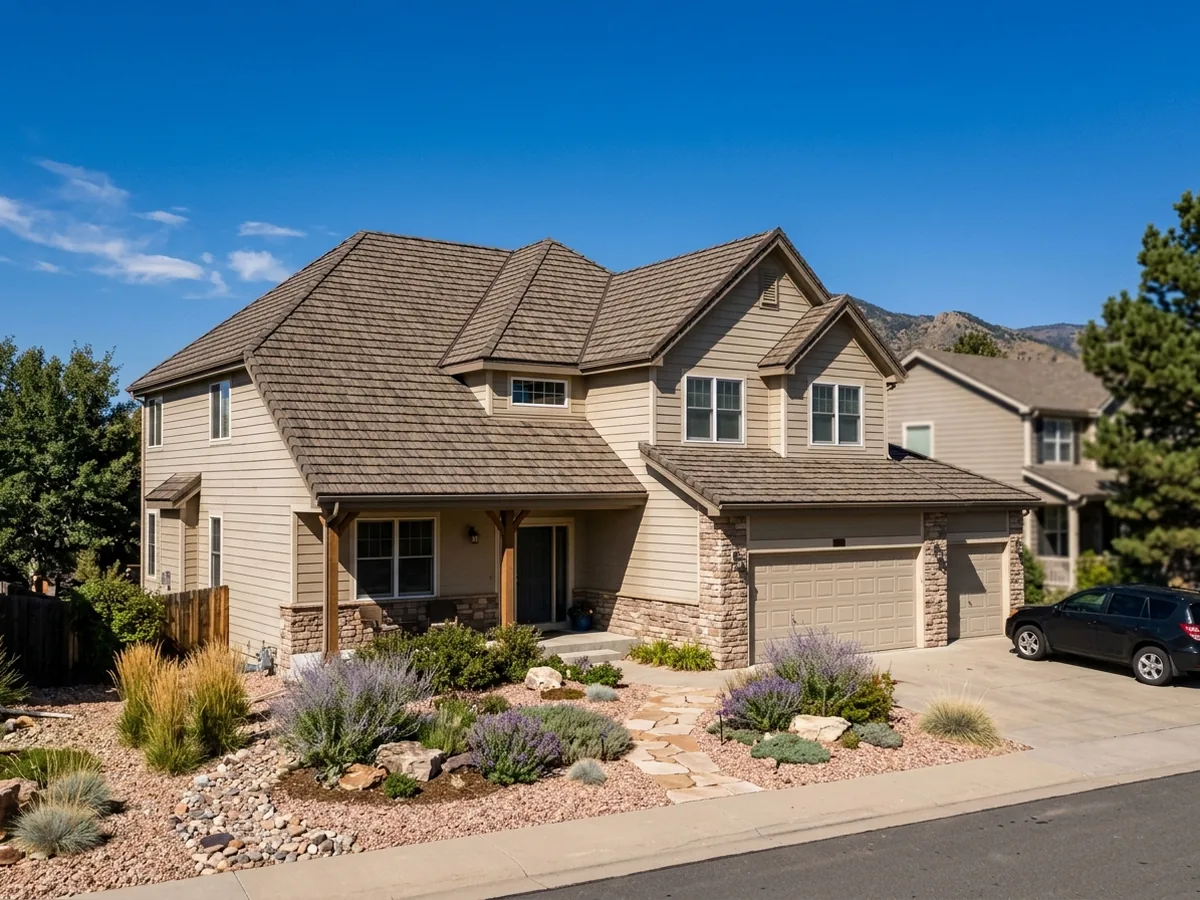
Class 4 Designer and Shake-Look Shingles
Designer shingles stack extra layers and cut the tabs to imitate cedar shake or slate. Atlas's StormMaster Shake is one example. Atlas lists it as UL 2218 Class 4, made with its Core4 polymer-modified blend and rated for flexibility down to 0 degrees. It is also 8% heavier per square than a standard laminate in the maker's own comparison. Heavier, thicker shingles take more care at hips and ridges, so ask how the caps will be cut and fastened. If you want a shake or slate look from a composite rather than asphalt, see synthetic slate and shake roofing. Thornton keeps its own list of approved shingle lines, covered on the shingle roofing page.
Class 3 Impact-Rated Shingles
Class 3 shingles pass the drop with a 1.75-inch steel ball, a quarter-inch smaller than the Class 4 ball. On paper that gap is small. The practical question is whether your insurer treats Class 3 and Class 4 the same way, and the only reliable answer comes from the insurer. Colorado's hail is the reason the question matters: storms count as severe once the stones reach 1 inch, and hail damage roof repair covers how often that happens here. If an insurer's discount or deductible terms name Class 4, a Class 3 roof won't qualify, however close the test numbers look.
Why Thornton homeowners call Thornton Expert Roofing
- Free written estimate, no obligation
- One independent local contractor per request, not a call list
- A written contract with the price and materials before any work, as Colorado law requires
- Nothing charged to homeowners for the referral
UL 2218 Classes and the Steel-Ball Drop
UL 2218 sorts roof coverings into four impact classes, with Class 4 the most resistant and Class 1 the least. Each class has its own ball size, and the drop height is set so the steel hits with the energy a hailstone of that diameter would carry:
Class 1
1.25-inch ballClass 2
1.50-inch ballClass 3
1.75-inch ballClass 4
2.00-inch ball
To pass, the back of the shingle has to come out free of any crack or tear. Surface dents and knocked-off granules are allowed. That's worth knowing before a storm, not after: a Class 4 roof can come through a big storm looking scuffed and still have passed the test it was rated on.
The rating covers the shingle and nothing else. Box vents, pipe boots, skylight domes and gutters sit outside that rating, and they still dent. An impact-resistant re-roof should come with metal vents and flashing chosen with the same storm in mind.
Class 4 Shingles, Insurance Savings and State Grants
Hail drives a large share of Colorado homeowners' premiums, and the hail damage roof repair page has the Division of Insurance figures. The DOI also estimated what fixing the roof could be worth. Across the 11 counties it studied, hail mitigation with fortified roofs could save homeowners an average of $82 to $387 a year.
The Insurance Commissioner's advice, in the DOI's May 2024 storm advisory, is to call your insurer when a hail-damaged roof has to be replaced and ask what a hail-resistant roof would earn in lower premiums or future deductible savings. Make that call before you sign a roofing contract, get the answer in writing, and keep the invoice that names the shingle line and its UL 2218 class. Those papers prove what's on the roof years later, when you change insurers or sell.
State money is coming, but not yet. The Strengthen Colorado Homes Enterprise, created by SB26-155 in June 2026, will sit inside the DOI and hand out grants for hail-resistant roof retrofits. The Colorado Sun reported in July 2026 that a seven-member board still has to set the rules and material standards, and that grants are unlikely to start before 2027. Insurance Commissioner Michael Conway floated grants of about $7,500 to $10,000, a figure that wasn't final. If your roof can wait, it may be worth checking the DOI's announcements first.
Impact-Resistant Shingles on a Hail Re-Roof
The cheapest time to upgrade is when slopes are coming off anyway. In Thornton, a permitted hail repair has to replace every damaged slope in full (Thornton's whole-slope rule), so a "repair" can turn into most of a roof. Tear-off, decking, underlayment and flashing are largely the same whichever shingle goes on top. The main change is the material line.
Ask for the written estimate to price the same scope twice: once with a standard architectural shingle and once with the Class 4 line, caps included. Then set the difference against what your insurer said in writing. InterNACHI's chart puts architectural shingles at about 30 years, with a caveat that severe weather such as hail cuts roof life short. A shingle that comes through each storm with less damage gives the upgrade more years to pay for itself.
Some upgrades don't make sense. If you plan to sell within a year or two, or the insurer offers nothing for Class 4, a standard architectural shingle on a sound deck is a reasonable choice. A roofer worth hiring will lay out both options and not push the pricier one.